The Culture Optimization Imperative: Why 2026 is the Year to Act
The alarm bells are ringing. One in three Canadian workers plans to leave their current position. Three-quarters of employees report feeling unappreciated or disengaged at work. Yet simultaneously, 65% of employers identify "making employees feel valued" as their top strategic priority.
This gap between intention and experience isn't a failure of commitment—it's a failure of optimization.
April 2026 presents a unique inflection point. New regulatory requirements, accelerating technology capabilities, and shifting workforce expectations have converged to create both unprecedented pressure and extraordinary opportunity. The organizations that act decisively on culture optimization now will dominate their sectors for the next decade. Those that hesitate will be managing perpetual talent crises.
The Great Valuation Gap
Let's be clear about the challenge: 65% of organizations prioritize making employees feel valued, yet 75% of employees feel unappreciated. This isn't a minor perception issue—it's a fundamental disconnect between strategic intention and operational reality.
Where does this gap originate?
Most organizations approach culture as atmosphere—the "vibe" of the workplace. They invest in surface-level improvements: better coffee, casual Fridays, wellness apps. These matter, but they're not culture optimization. They're culture decoration.
Culture optimization is the systematic process of aligning every organizational system—hiring, advancement, recognition, decision-making, resource allocation—with stated values. It's the difference between saying "we value collaboration" and actually rewarding collaborative behavior in promotion decisions and compensation structures.
The 2026 Regulatory Catalyst
Canada's evolving regulatory landscape is forcing this conversation from aspiration to necessity. New 2026 employment laws include mandatory pay transparency, AI disclosure requirements, and expanded worker protections. Ontario and federal updates are reshaping termination clauses and formalizing gig worker regulations.
Here's the opportunity hiding in compliance:
Organizations that embrace these requirements as culture optimization accelerators will gain decisive advantages. Pay transparency, when implemented strategically, becomes equity infrastructure. AI disclosure requirements, when approached proactively, become trust-building mechanisms. Worker protections, when integrated authentically, become talent magnets.
The organizations treating these as compliance burdens will struggle. Those recognizing them as culture optimization tools will thrive.
The Data-Driven Culture Revolution
Advanced people analytics tools are now providing real-time engagement monitoring and predictive insights. AI tools for HR in 2026 focus on "defensible AI" that supports ethical decision-making while managing workplace risks.
But here's the critical distinction: technology enables optimization—it doesn't create it.
The most sophisticated analytics dashboard in the world cannot fix a culture where recognition systems reward individual heroics over team success, or where promotion decisions favor those who "present well" over those who deliver results.
Culture optimization in 2026 means using technology to reveal gaps, then systematically redesigning the systems creating those gaps. It means:
- Measuring what matters: Track advancement velocity by demographic, not just representation percentages
- Closing feedback loops: Use real-time pulse surveys to identify cultural friction points before they become retention crises
- Predictive intervention: Deploy AI to identify flight risks and engagement drops, then implement systematic solutions rather than reactive retention bonuses
The Three Pillars of Culture Optimization
At Synclusiv, we've identified three interconnected pillars that separate organizations successfully optimizing culture from those still decorating it:
Pillar 1: Radical Transparency as Trust Infrastructure
The new pay transparency and AI disclosure requirements aren't obstacles—they're invitations to build unprecedented trust equity. Organizations that proactively communicate:
- How compensation decisions are made and justified
- Which AI tools are used and for what purposes
- How advancement opportunities are identified and allocated
...create psychological safety that translates directly to engagement and retention.
Action Step: Audit your three most critical people processes (hiring, promotion, compensation). Where are the "black boxes" that create suspicion? Design transparent communication systems for each.
Pillar 2: Hyper-Personalized Value Delivery
One-size-fits-all engagement strategies created the 75% disengagement rate. 2026 workplace trends emphasize addressing diverse needs, including specific demographic challenges like mental health support and navigating societal pressures.
The optimization imperative: Move from standardized benefits to personalized value ecosystems. This means:
- Recognition systems that adapt to individual preferences (some want public celebration, others prefer private acknowledgment)
- Development pathways that align with personal career aspirations, not generic leadership tracks
- Flexibility frameworks that accommodate different life stages and circumstances
Action Step: Segment your workforce by needs and preferences, not just by job function. Design value delivery systems that reflect this diversity.
Pillar 3: Manager-as-Culture-Amplifier
People, compliance, and technology are the three pillars of 2026 workplace transformation, but the critical integration point is the manager. With AI handling routine administrative tasks, managers can finally focus on what drives retention: authentic human connection and development.
The optimization opportunity: Reinvent the manager role from administrator to culture coach. This requires:
- Capability building: Train managers in psychological safety creation, bias interruption, and feedback delivery
- Metric redesign: Measure managers on team engagement and retention, not just output
- Authority redistribution: Give managers real power to recognize, reward, and develop their teams
Action Step: Assess your managers' time allocation. If more than 30% goes to administrative tasks that technology could handle, you're wasting culture optimization capacity.
The Canadian Advantage in Culture Optimization
Canada's regulatory environment, while more demanding than many jurisdictions, creates a structural advantage. Our Employment Equity Act and evolving worker protections force systematic thinking about fairness and inclusion—the foundation of optimized culture.
Organizations that view these frameworks as compliance burdens miss the strategic value. Those that leverage them as culture optimization infrastructure access capabilities, competitors without such frameworks must build from scratch.
Relevance for US Organizations: While Canadian legislation provides structural support, the optimization principles are universal. US organizations facing talent shortages and retention crises can apply these same frameworks, using voluntary transparency and analytics deployment to achieve similar competitive advantages.
The Retention Crisis as Wake-Up Call
With one in three Canadian workers planning to leave, 2026 presents a stark choice: optimize culture systematically or manage perpetual turnover. Projected salary increases across professional fields demonstrate that compensation alone won't solve this crisis.
The organizations winning the retention war are those recognizing a fundamental truth: people don't leave jobs—they leave cultures.
They leave cultures where:
- Hard work goes unrecognized
- Advancement processes feel arbitrary
- Values are stated but not demonstrated
- Feedback flows one direction
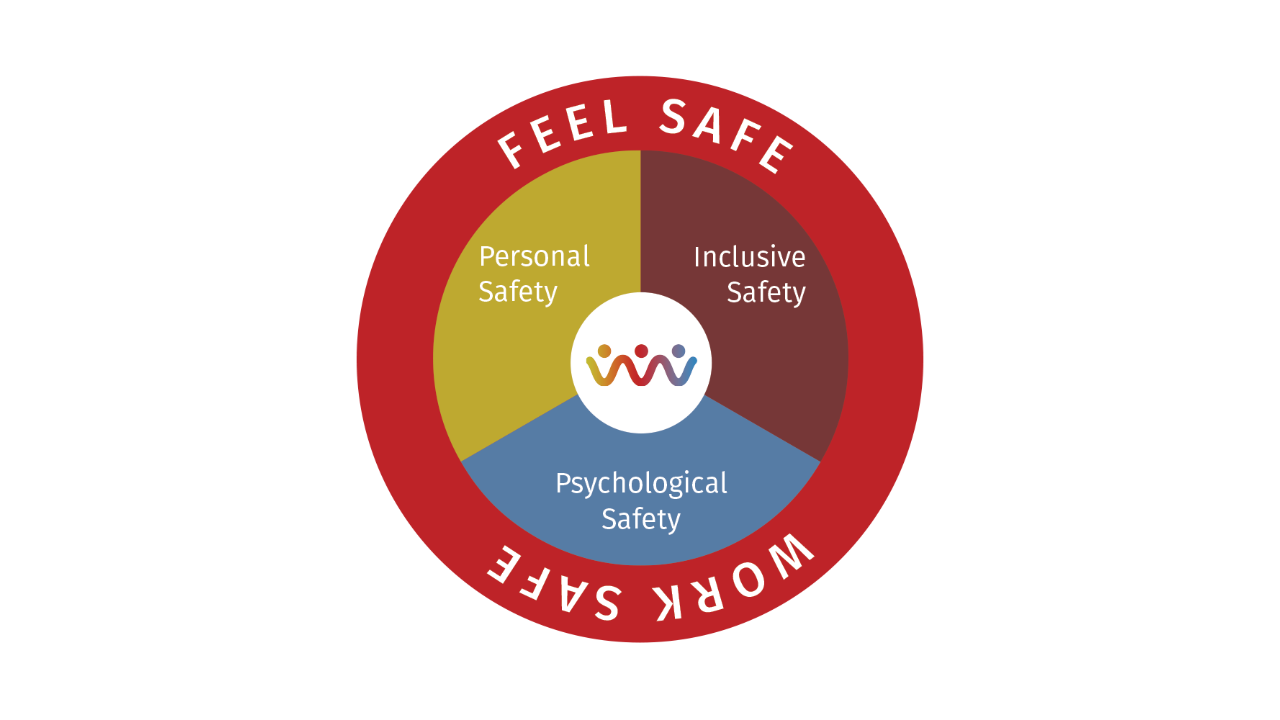
- Psychological safety is absent
Culture optimization systematically eliminates these friction points.
Your Action Framework
The time for culture optimization isn't next quarter or next year—it's now. Here's your immediate action framework:
Phase 1: Diagnostic Assessment
- Survey your workforce on the gap between stated values and lived experience
- Audit your three most critical people systems for transparency and equity
- Identify your top three retention risks by analyzing departure patterns
Phase 2: System Design
- For each identified gap, design one systematic solution (not a program—a system)
- Establish transparency protocols for compensation, advancement, and decision-making
- Create manager capability-building initiatives focused on culture coaching
Phase 3: Technology Integration
- Deploy people analytics to create real-time culture health dashboards
- Implement predictive tools to identify engagement drops and flight risks
- Automate administrative tasks currently consuming manager capacity
Phase 4: Launch and Measurement
- Communicate your culture optimization commitment with radical transparency
- Establish clear metrics for culture health (engagement, belonging, advancement equity)
- Create feedback loops that allow continuous optimization
The Stakes of Inaction
Every day you delay culture optimization, your competitors advance. Every week your systems remain misaligned with your values, more talent considers departure. Every month you prioritize culture decoration over optimization, the valuation gap widens.
But here's the exciting reality: organizations that act decisively on culture optimization in 2026 will build sustainable competitive advantages that talent crises cannot erode.
The question isn't whether to optimize your culture—market forces and regulatory requirements have made that decision for you. The question is whether you'll lead this transformation or be forced into reactive changes by retention crises and compliance requirements.
At Synclusiv, we believe culture optimization is the defining competitive battleground of 2026. The organizations that recognize this early will shape the future of work. Those that hesitate will spend the decade catching up.
The imperative is clear. The moment is now. The opportunity is yours.